




AWAAB’S LAW COMPLIANCE
Delivering Compliance Within Tight Deadlines
Awaab’s Law sets out clear expectations for how damp and mould cases must be managed. Once a landlord becomes aware of a potential hazard, the duty to act begins immediately and is governed by strict statutory timelines.
Effective case management depends on timely information, clear records and regular contact with residents. When any of those elements break down, demonstrating compliance becomes much harder.
To meet Awaab’s Law with confidence, social housing providers need a coordinated approach that keeps each case moving and maintains a reliable audit trail from initial investigation through to final resolution.

Emergency Hazard
Investigate and make safe within 24 hours.

Potential Significant Hazard
Complete investigation within 10 working days.

Written Summary
Written findings must be shared within 3 working days of the investigation concluding.

Make Property Safe
Complete relevant safety works within 5 working days of the investigation concluding.

Begin Further Works
Start works within 5 working days of the investigation concluding, or within 12 weeks where this is not possible.
OUR SOLUTION
A Smarter Approach to Damp & Mould
We help you manage damp and mould cases with greater certainty, speed and control. Our approach brings clarity to each stage of the process by identifying what is driving the issue, documenting findings in a structured way, and ensuring cases progress as they should. The result is timely decisions, accurate diagnosis and a more dependable resolution.
As your integrated partner, we bring together an accelerated digital workflow and specialist remediation to support clear evidence, lasting outcomes and better results for both residents and assets.
Our expertise combines specialist surveying, structured investigation and consistent delivery. This ensures damp and mould cases are accurately diagnosed, clearly evidenced and effectively resolved, giving you confidence in every outcome.
OUR EXPERTISE
A Complete Service for Definitive Compliance
Digital Workflow & Audit Trail

A structured digital workflow that tracks each stage of the case, capturing time-stamped updates, resident communication and supporting evidence to create a clear, accessible audit trail from report through to resolution.
CSRT-Accredited Diagnosis

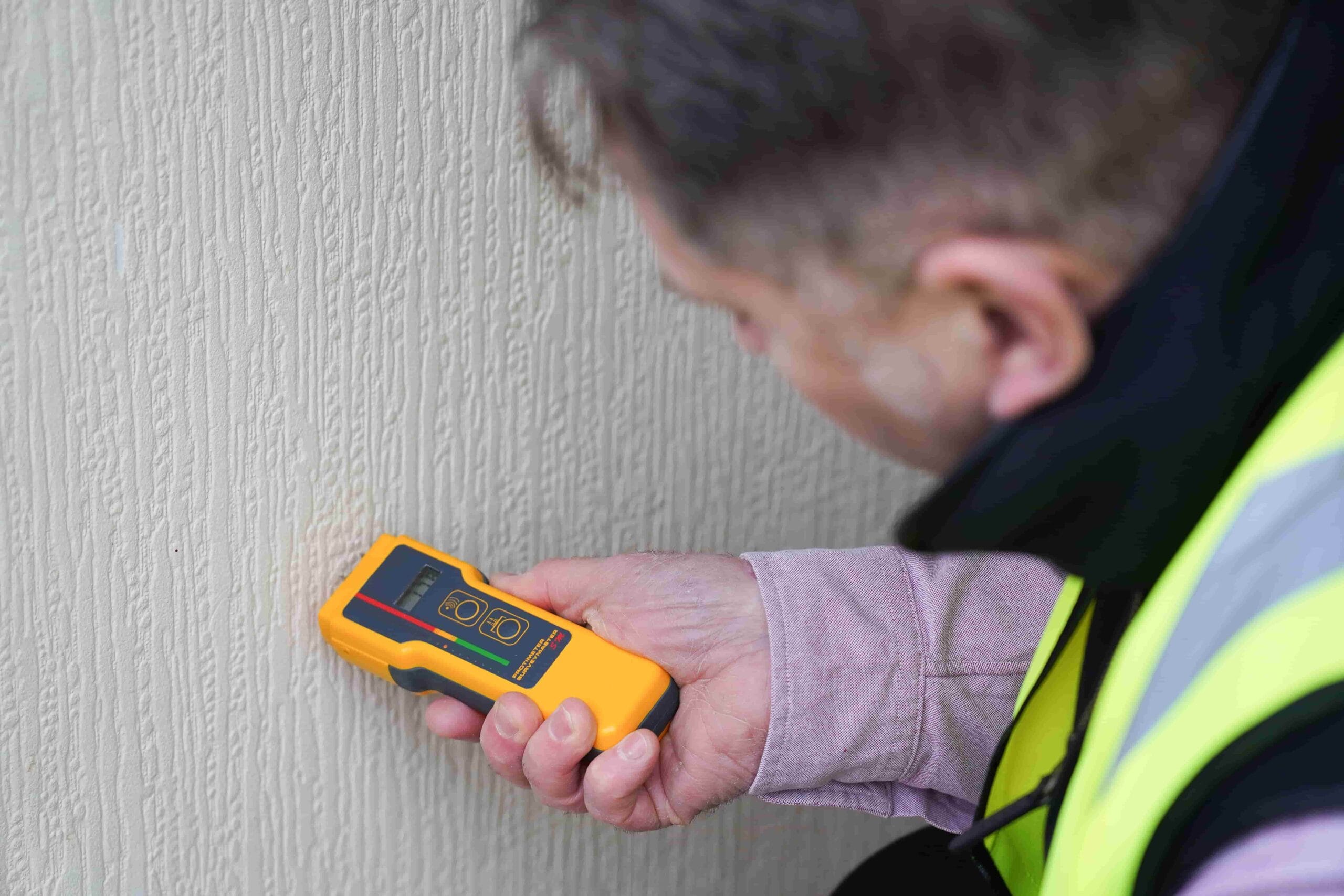
Specialist surveys carried out by CSRT-accredited professionals, using structured investigation and consistent evidence capture to accurately identify root causes and inform the appropriate remedial response.
Root-Cause Hard Fabric Remediation

Targeted remediation works designed to address the underlying causes of damp and mould, including fabric repairs, ventilation improvements and moisture control measures to reduce the risk of recurrence.
Emergency Response Capability

Capacity to respond quickly to high-risk cases, with rapid assessment and action to mitigate immediate hazards while maintaining full case documentation and compliance records.
Permanent Hard-Fabric Remediation
Diagnosis & Evidence
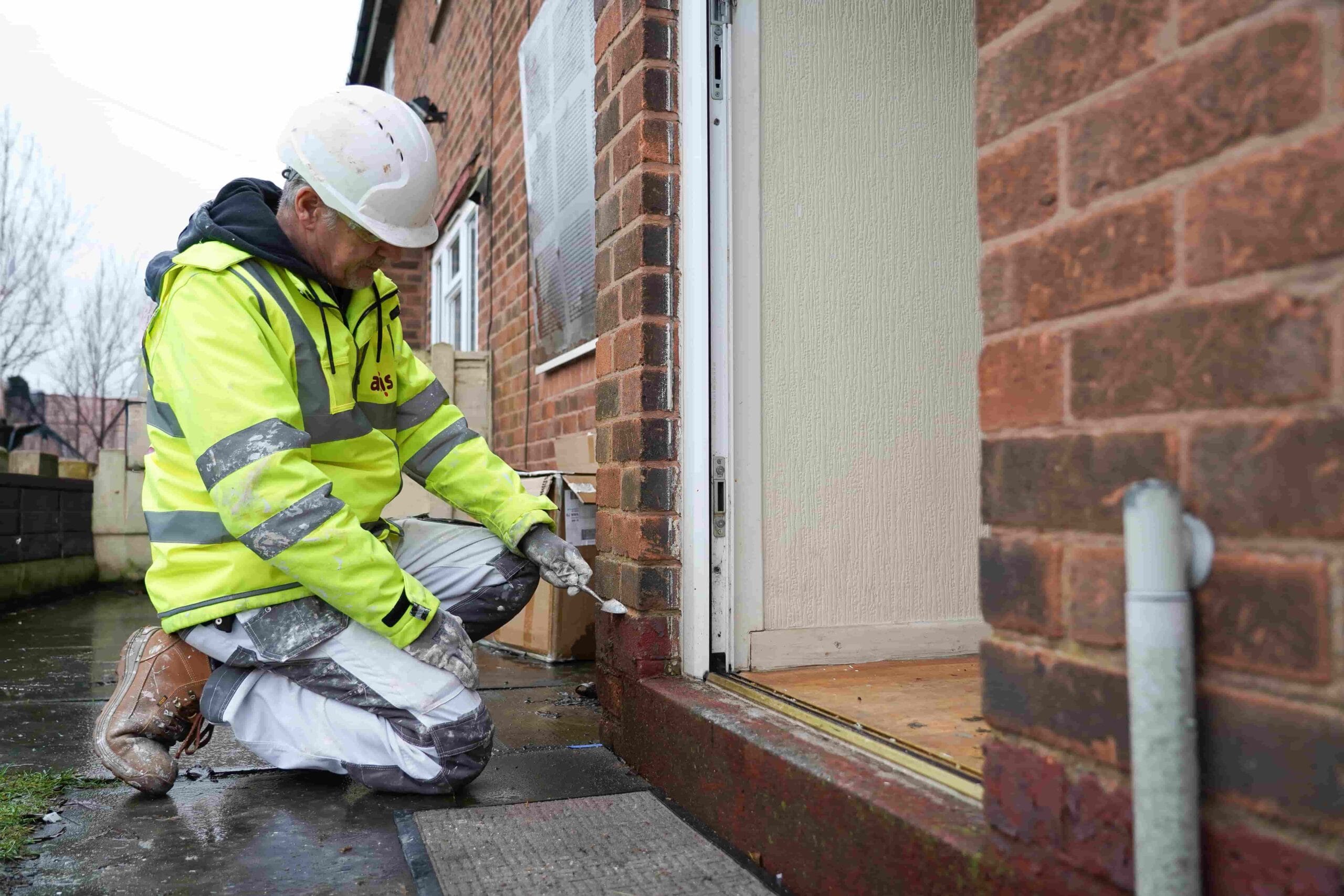
- CSRT Surveys: Identify damp causes – condensation, rising damp, penetration and defects..
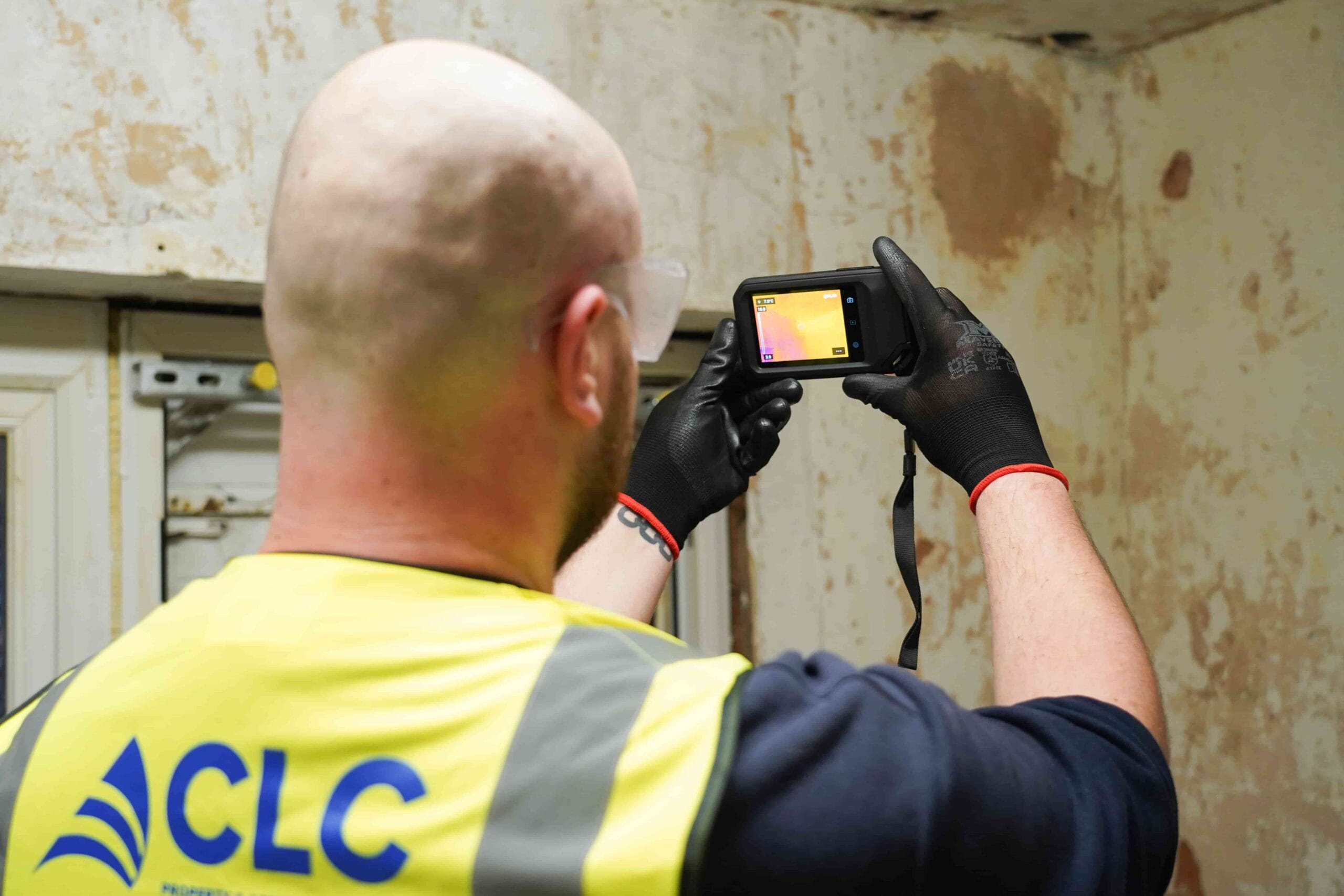
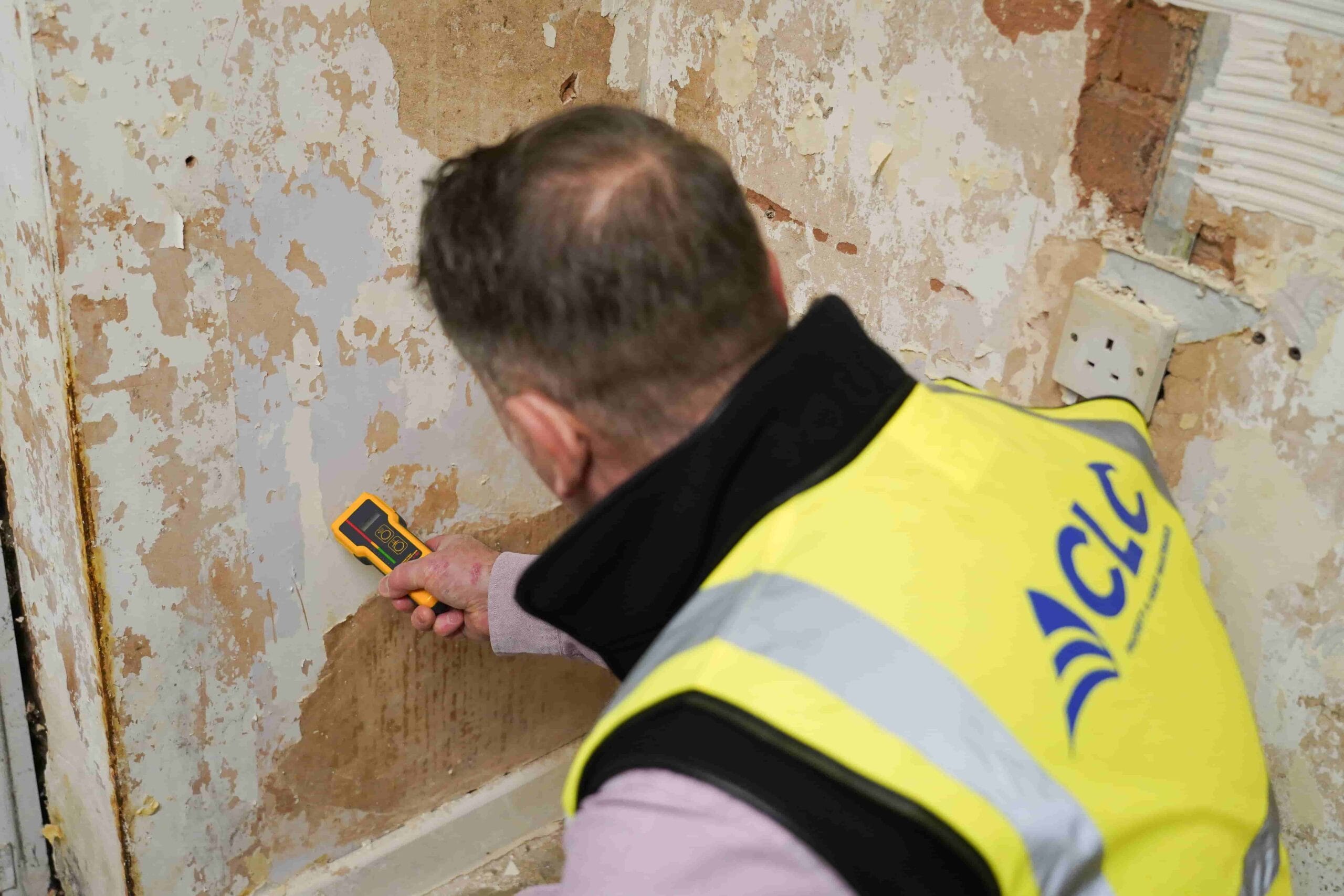
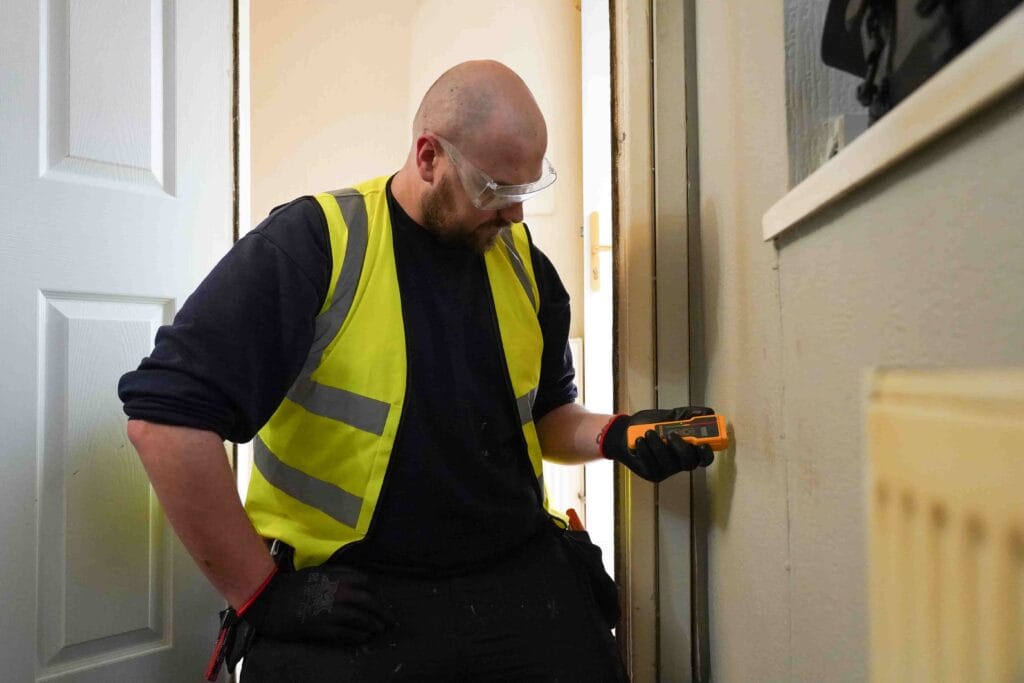
- Moisture Mapping: Readings and data to assess moisture in walls, floors and ceilings.
- Ventilation Assessment: Check ventilation suitability, condition and performance.
- Fabric Inspection: Inspect roofs, drainage, masonry and openings for moisture ingress.
Building Fabric Intervention
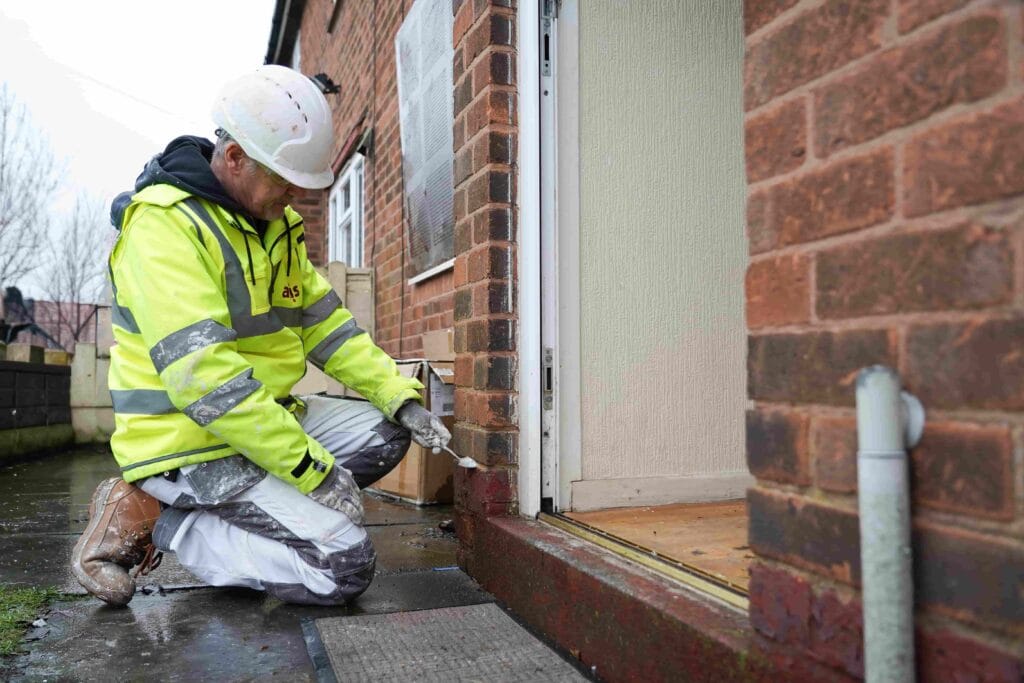
- External Envelope Works: Repair roofs, rainwater goods, masonry and render to prevent penetrating damp.
- Damp Proofing: Install or upgrade damp-proof courses to control rising moisture.
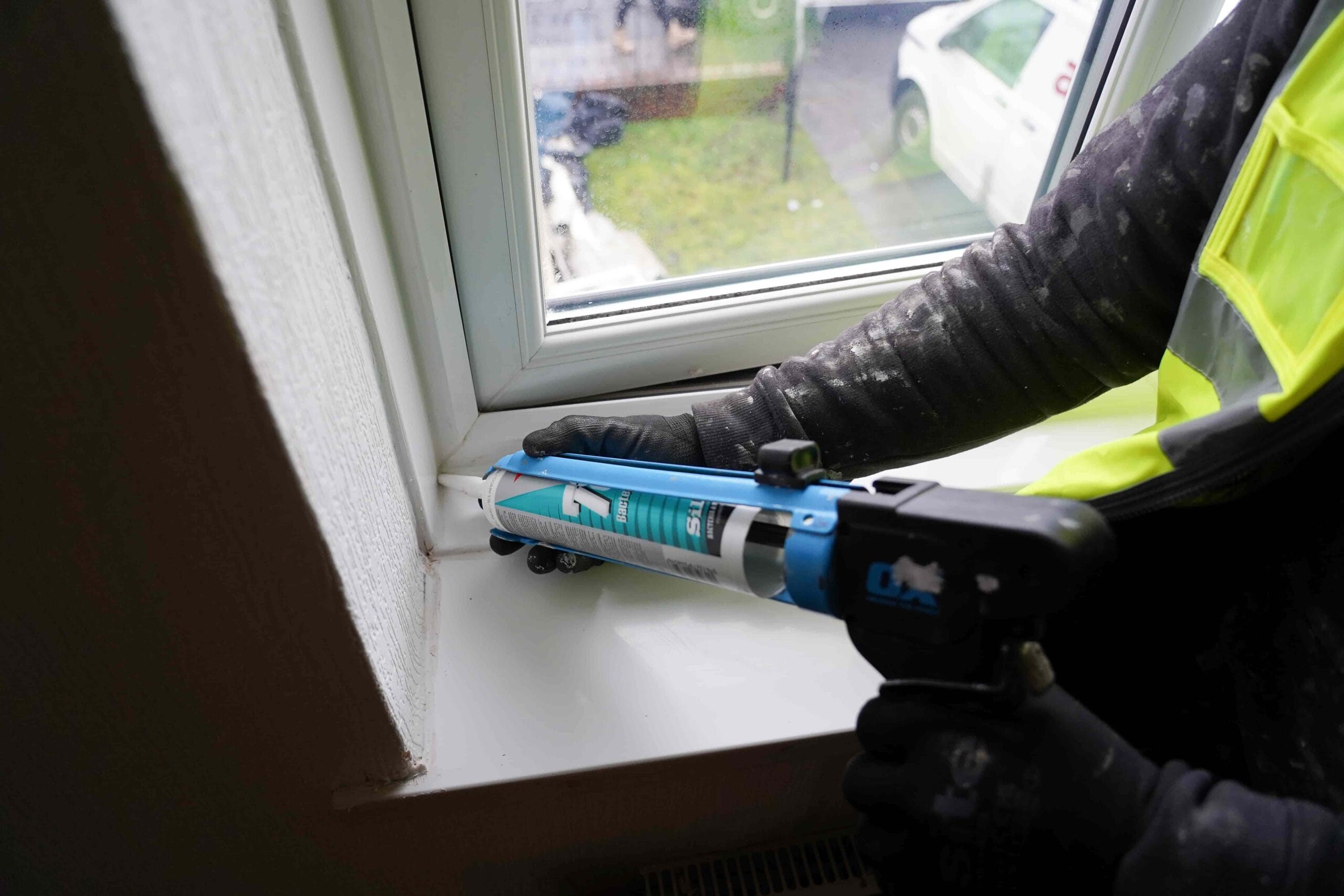
- Openings & Junctions: Repair windows, doors, seals and junctions to reduce ingress and thermal bridging.
- Drainage & Ground Conditions: Clear and repair drainage and ground levels to stop moisture build-up.
Moisture & Airflow Control
- Positive Input Ventilation: Introduces fresh air to dilute moisture and improve internal conditions.
- Mechanical Extract Ventilation: Continuous extract in kitchens and bathrooms to control humidity.
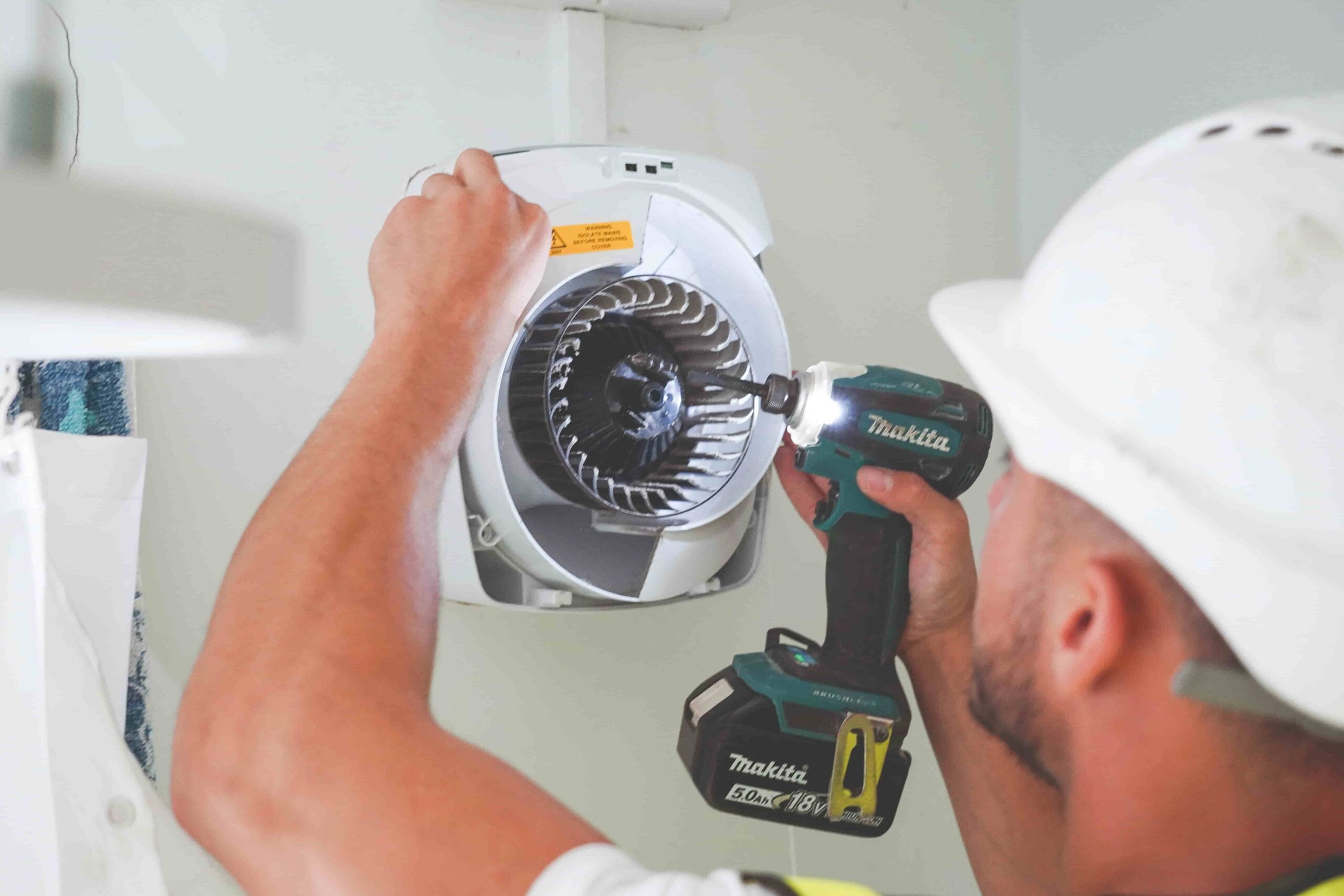
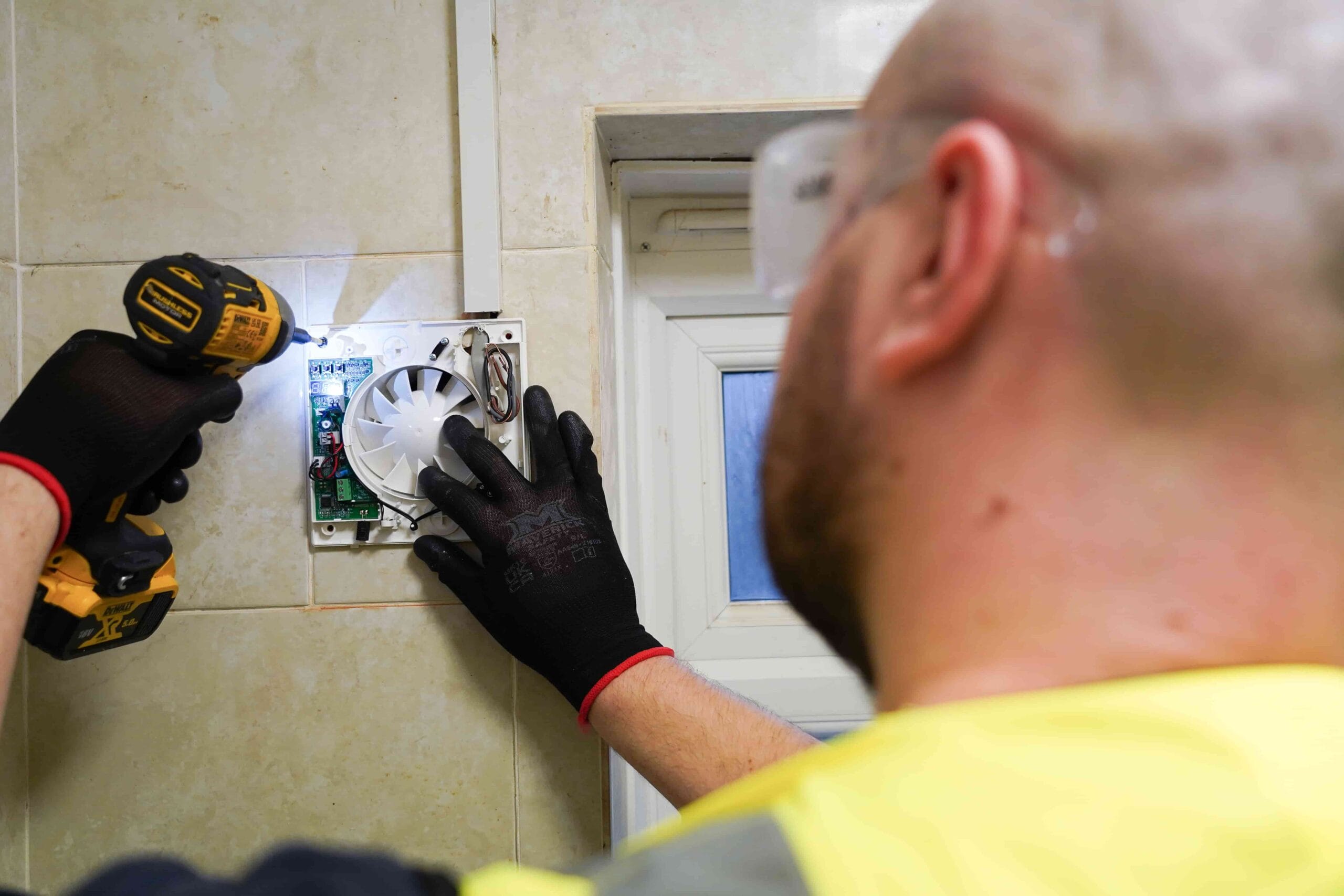
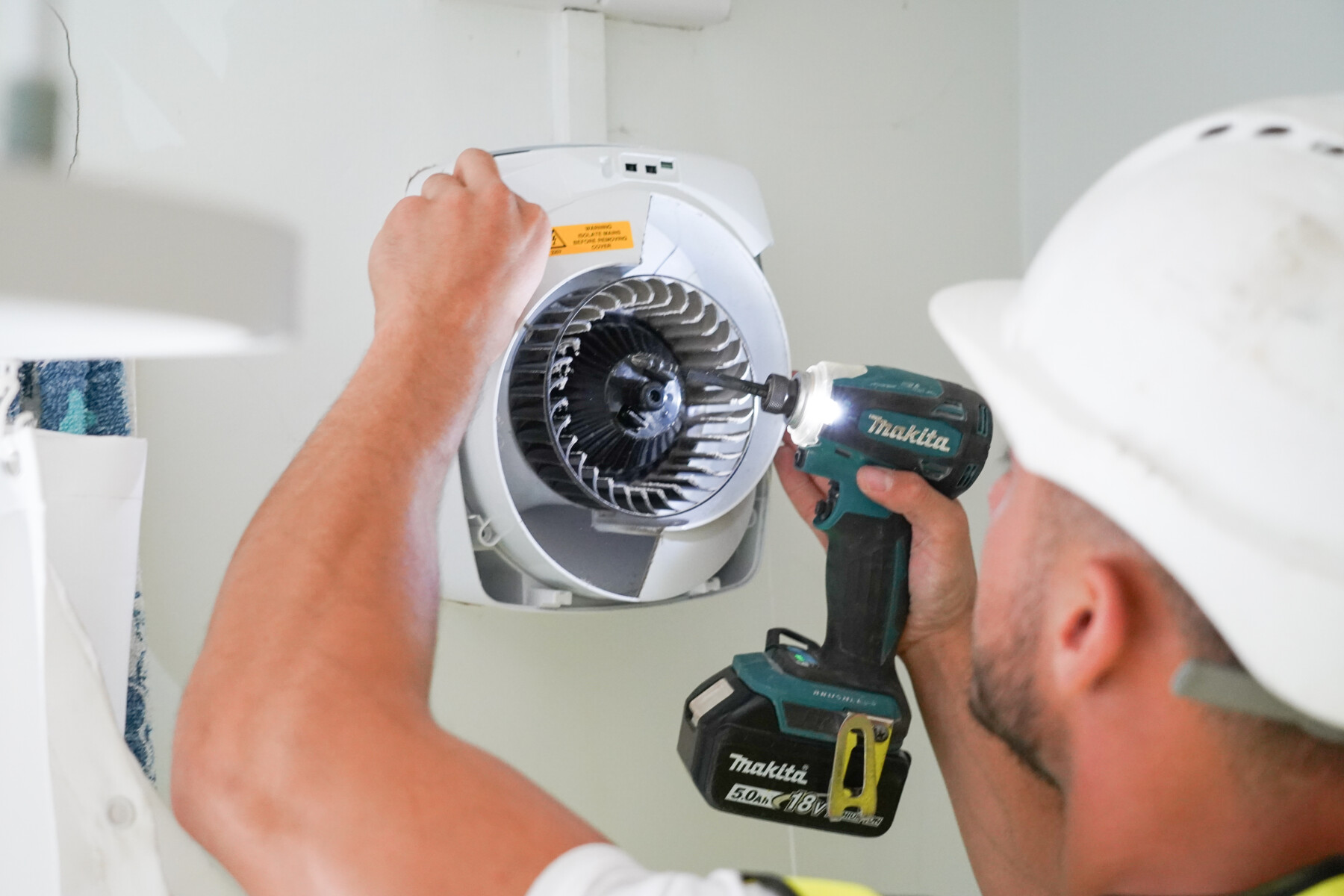
- Targeted Extract Upgrades: Install or upgrade humidity- or timer-controlled fans in wet areas.
- Ventilation Performance: Inspect, clean and repair systems to ensure effective airflow.
Fabric Repair & Reinstatement
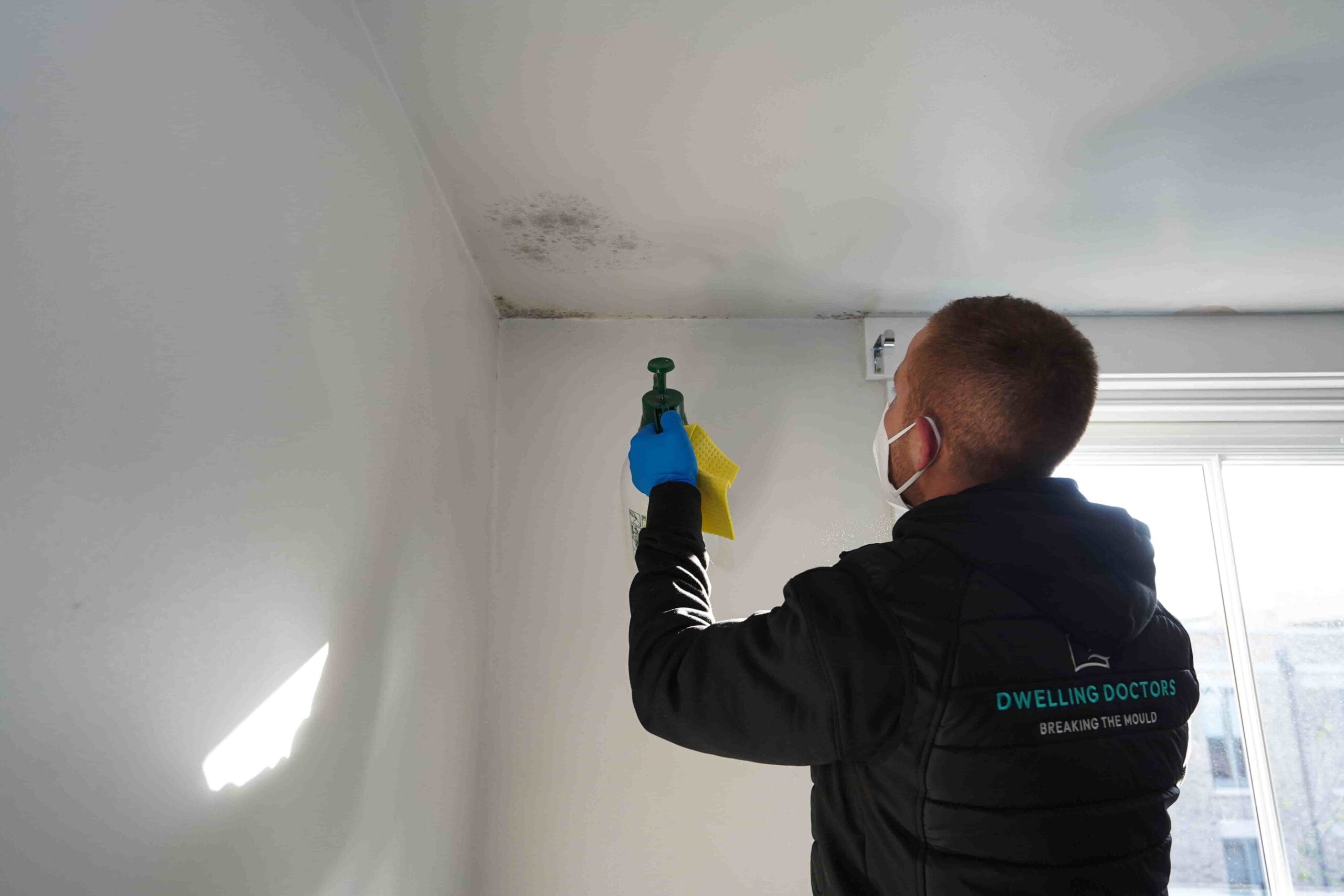
- Mould Removal & Treatment: Clean and treat surfaces to remove contamination and prevent regrowth.
- Plaster, Timber & Floor Repairs: Replace damaged plaster, timber and flooring as required.
- Thermal Lining & Insulation: Add targeted insulation to reduce cold spots and thermal bridging.
- Redecoration & Make-Good: Reinstate finishes with breathable materials once dry.
Verification & Prevention
- Post-Remediation Verification: Follow-up inspections and moisture checks to confirm issues are resolved.
- System Management Support: Clear guidance for residents on how to use ventilation and heating systems effectively.
- Guarantees on Works: Written guarantees on remedial works and installed systems to support long-term confidence.


Trusted by Social Housing Providers Nationwide












Talk to Our Specialist Team About Securing Awaab’s Law Compliance With Confidence
By combining digital coordination with technical expertise, we help you manage damp and mould cases in a timely, reliable and compliant manner, with a focus on creating safer, healthier homes for residents.
Accreditations
Selected accreditations held across the Axis CLC Group.












Download Our Latest Damp & Mould Brochure
Explore our damp and mould remediation services designed to help you maintain compliance, protect your assets, and create healthier homes for residents.



Damp & Mould FAQs
What is Awaab’s Law?
Awaab’s Law is a legal amendment introduced under the Social Housing (Regulation) Act 2023, created to ensure social housing landlords investigate and resolve hazards such as damp and mould within strict timescales.
The legislation is named after Awaab Ishak, a two-year-old boy who tragically died following prolonged exposure to mould within his family’s social housing property.
What are the new key deadlines?
Under Awaab’s Law, landlords are required to investigate significant damp and mould hazards within 10 working days of becoming aware of the issue. A written summary of the findings must then be provided within 3 working days of the investigation.
Where a serious hazard is identified, safety or remedial works must begin within 5 working days, while emergency hazards — including severe damp and mould — must be addressed within 24 hours.
How does Awaab’s Law affect property services providers like Axis?
Contractors working on behalf of landlords and housing providers are central to achieving compliance with the legislation. Axis supports clients through rapid triage processes, specialist inspections, remedial works delivery, and digital evidence capture aligned with audit requirements.
Axis’ digital offering helps clients demonstrate a clear and auditable record of compliance, including investigation dates, reports issued, works commenced and completed.
The legislation also places greater emphasis on workforce readiness, responsive mobilisation, specialist damp and mould expertise, ventilation improvements, and real-time reporting capabilities that support fast and transparent service delivery.
How does Awaab’s Law affect property owners and landlords, particularly in social housing?
For social housing landlords, Awaab’s Law introduces clear operational responsibilities, including investigating damp and mould issues within 10 working days, providing residents with written updates within 3 working days, commencing remedial works within 5 working days, and resolving emergency hazards within 24 hours.
The legislation also strengthens tenants’ legal rights through tenancy agreements, meaning landlords must embed compliance across operational procedures, reporting systems, maintenance delivery and asset management frameworks.
Housing providers are expected to invest in stronger data systems, streamlined repair processes, integrated asset management, and long-term maintenance strategies that deliver permanent solutions. Failure to comply could result in regulatory action, legal claims and reputational harm.
Does Awaab’s Law only affect landlords in social housing?
Currently, Awaab’s Law applies to registered social housing providers in England and initially focuses on damp and mould hazards.
However, the Government has indicated plans to extend similar obligations to the private rented sector through the Renters’ Rights Bill, although implementation details and timescales are still being consulted on.
Landlords, property owners and managers across all sectors should therefore stay informed and prepare for future compliance requirements rather than assume the legislation will remain limited to social housing.
What types of damp are there?
- Rising damp: moisture from the ground travelling upwards through porous wall structures.
- Penetrating damp (or rainwater ingress): water entering a property through defects such as leaking roofs, damaged render, cracked brickwork or faulty guttering; this can occur at any height within the structure.
- Condensation damp: caused by excessive internal humidity combined with poor ventilation or insufficient airflow, resulting in surface moisture and mould growth on colder surfaces.
Each type of damp has different causes, symptoms and treatment requirements, making accurate diagnosis essential for effective remediation and cost management.
What is rising damp and why is it prevalent in older properties?
Rising damp occurs when moisture from the ground rises through porous masonry materials by capillary action. It most commonly affects lower wall sections where the damp-proof course is missing, damaged or bridged.
Typical signs include tide marks on walls, salt deposits on plaster surfaces, peeling wallpaper or paint, and occasional timber decay around skirting boards and floor junctions.
Although less common than condensation-related damp, rising damp remains an issue within older housing stock because many historic buildings either lack a suitable damp-proof course or have systems that have deteriorated over time.
What causes damp and mould in a property?
Damp and mould issues can develop due to several contributing factors, including:
- Building defects such as failed damp-proof courses, cracked walls, leaking roofs, damaged render or ineffective drainage systems.
- Poor ventilation, inconsistent heating and high indoor humidity leading to condensation and mould formation.
- Water ingress and moisture bridging caused by raised external ground levels, blocked cavities or defective waterproofing systems.
- Delayed maintenance and reactive-only repair approaches that fail to address underlying causes.
- The use of unsuitable finishes or impermeable materials that prevent moisture from evaporating naturally from the building fabric.
What services does Axis provide in the field of damp and mould remediation?
Axis delivers a comprehensive damp and mould remediation service, covering everything from specialist mould treatments and fungicidal applications to plaster repairs, timber treatment, damp-proofing systems, waterproofing solutions and ventilation upgrades.
Axis takes a long-term, engineered approach focused on resolving root causes and preventing recurring issues rather than applying short-term fixes.
These services support landlords and asset owners in meeting compliance obligations under Awaab’s Law while protecting resident health and reducing risk across property portfolios.
What is Axis’ digital offering in damp and mould remedial works?
Axis uses integrated digital workflows to support compliance, reporting accuracy and operational visibility. This includes intelligent triage through IoT sensors and vulnerability flagging, mobile applications for on-site data capture, moisture readings, geo-stamped imagery, automated reporting and digital work-order management.
This end-to-end digital approach provides landlords and housing providers with auditable compliance records, real-time progress tracking, and clear visibility of asset conditions, helping teams deliver faster and more transparent remedial services.