

BS 8214:2026: what has changed in the fire door code of practice, and what to do about it
A fire door is only as good as the way it is specified, fitted and maintained, and the code of practice that governs all three has just had its biggest revision in a decade. BS 8214:2026 was published on 20 March 2026 and replaces BS 8214:2016, which has been withdrawn. If you are the responsible person for any building with fire doors, or you manage the estate that holds them, this is the reference your specifications, inspections and records should now point to. Here is what changed, why it matters across every sector, and the practical review worth doing this year.
What BS 8214 is, in one line
BS 8214 is the British Standard code of practice for fire-resisting and smoke control doors: the practical guidance on how they should be specified, designed, installed, used and maintained. It is not the law itself, but it is the recognised statement of good practice that duty-holders are expected to work to, and that inspectors, insurers and courts look to when judging whether a fire door has been managed properly.
The headline change: no longer just timber
The old 2016 standard focused almost entirely on timber-based fire door assemblies. That never matched reality. Estates across every sector use steel, glazed metal, aluminium and composite fire doors, and until now there was no equivalent code of practice for them.
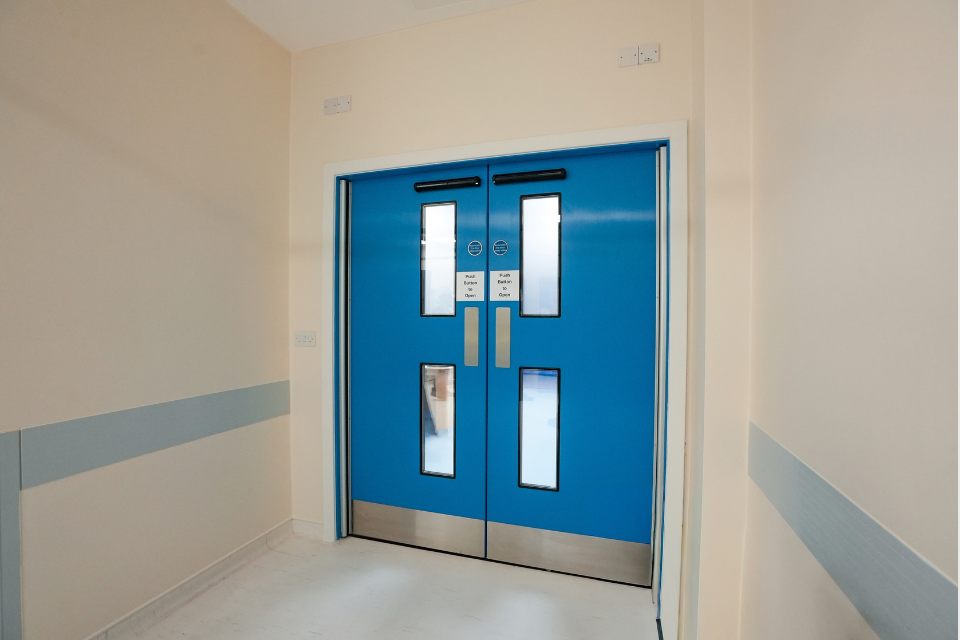
BS 8214:2026 fixes that. It covers fire doors of many materials, including timber, steel, glazed metal and composite designs, and it treats a fire door as a coordinated complete system however it arrives on site, whether as a door assembly, a doorset or a door kit. For the first time it gives structured guidance on installation, maintenance and manufacture for metal and composite doors, closing a gap the industry has worked around for years.
From prescriptive detail to evidence
The other big shift is philosophical, and it changes how you demonstrate compliance. The 2016 standard leaned on prescriptive construction details. The 2026 edition is deliberately less prescriptive about certain performance characteristics and on-site operations, and instead focuses on the supporting evidence needed for any fire door construction within its scope.
In practice, that means the question moves from "did you follow the recipe?" to "can you show the evidence that this specific door, in this specific opening, performs?" For duty-holders, that raises the value of good records: test evidence, third-party certification, and a clear installation and maintenance trail. The golden thread of information the Building Safety Act expects is exactly the kind of evidence the new standard leans on.
The detail that will catch people out
A few specific updates are worth flagging, because they touch the mistakes that show up most often on site:
- Smoke control and seals. Earlier construction recommendations that were difficult to achieve in practice have been replaced with clearer advice, including more guidance on the use of seals, and the standard aligns with changes to BS 9991.
- Sealing the gap around the frame. There is improved guidance on sealing the interface between the fire door frame and the surrounding structure, with detail on acceptable materials such as stone wool, mastic and foam sealants. This junction is a common weak point.
- Section 9.4 strengthened. This section has been tightened specifically to prevent misinterpretation and the non-compliant installations that followed from it.
- Marking and legislation. The standard aligns with current UKCA and CE marking, and reflects duties introduced through the Building Safety Act and the Fire Safety Act.
Why this is a cross-sector issue
Fire doors are the one compliance item almost every public building shares. A housing association block, an NHS hospital, a school, a barracks and a fire station all rely on them to protect escape routes and hold back fire and smoke. So while the standard is technical, the duty behind it is universal: under the Fire Safety (England) Regulations 2022, the responsible person for a residential building over 11 metres must carry out quarterly checks of communal fire doors and annual checks of flat entrance doors, and every duty-holder must keep fire doors fit for purpose. BS 8214:2026 is the benchmark those checks and specifications should now reference.
What to review this year
You do not need to rip out doors because the standard changed. You do need to make sure your regime points at the current benchmark. A practical checklist:
- Update your specifications. Any fire door specification or framework that cites BS 8214:2016 should be updated to the 2026 edition, especially where you procure metal or composite doorsets that the old standard barely covered.
- Check your evidence trail. Because the new standard leans on supporting evidence, confirm you hold test data, certification and installation records for your fire door assets, not just an inspection tick.
- Brief your inspectors and installers. Make sure whoever carries out your quarterly and annual checks, and whoever installs replacements, is working to the 2026 edition, including the updated guidance on seals and frame-to-structure sealing.
- Prioritise the weak junctions. Use the refreshed guidance on gap sealing and smoke seals to target the interfaces that fail most often.
- Fold it into the golden thread. Record the above so the evidence is there when an inspector, insurer or resident asks.
Getting it right together
Most estates deliver fire door inspection, remediation and replacement through a specialist partner. The revision is a good moment to align on the current standard together: agree that specifications, inspection method and evidence records all reference BS 8214:2026, and that any door replacement, in whatever material, is installed and documented to it. Getting the frame sealing, smoke seals and certification evidence right at installation is far cheaper than discovering a gap at the next audit.
This is the kind of work AXIS CLC delivers across the public sector: fire door surveys, remediation and replacement, and the wider fire safety and compliance programme that sits around them, delivered by the group's integrated fire team. It sits within our fire safety and wider compliance services.
Next step: If you want to check your fire door regime references the current standard, book a fire compliance review with our team, or read our related guide to fire safety duties for the responsible person.
Sources:
Fire Protection Association, "Major revision of fire door standard published", 23 March 2026
BSI, BS 8214:2026 (the standard itself, published 20 March 2026, is the primary source of record and is available from BSI)